
Case Vignette: Mechanic Emergence
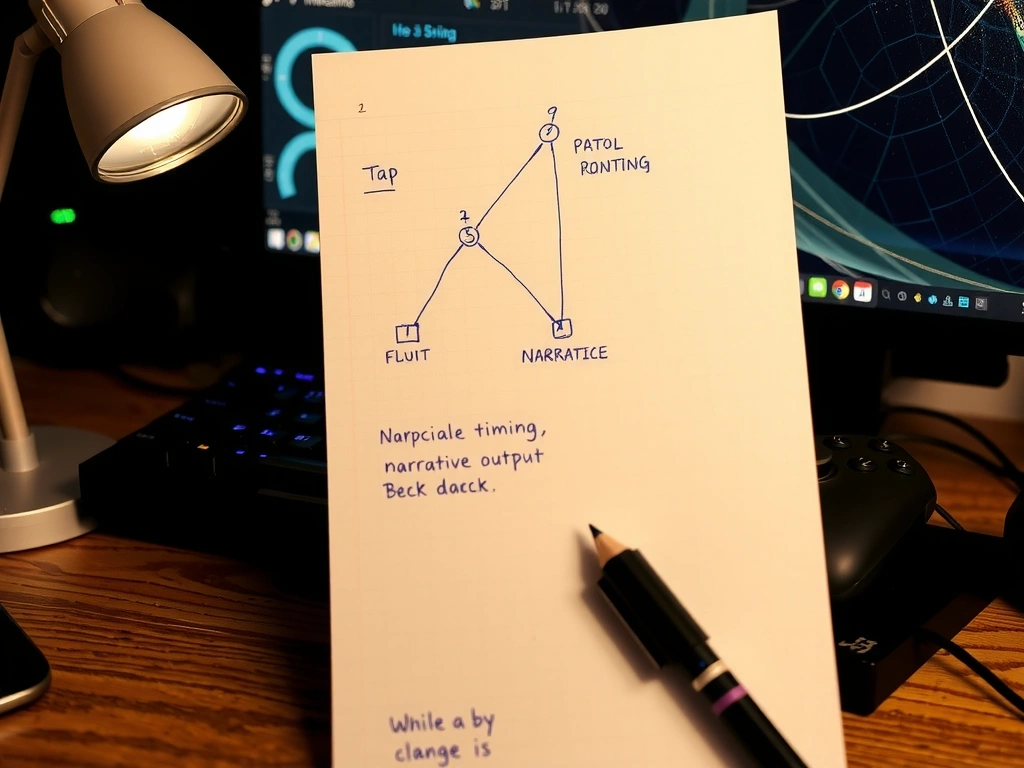
A 2-second tap sequence, interpreted as a narrative trigger.
For "Echoes of Anatolia," a player's rapid double-tap was originally just a dodge. During internal playtesting, we noticed a specific 1.2-second rhythm emerging from high-skill players. Instead of normalizing it away, we treated it as an emergent language.
That rhythm became a 'weaving' gesture—a signature move to uncover hidden layers of the map. We engineered the system to recognize and reward it, transforming a bug of timing into a feature of discovery. This is the core of our philosophy: constraint-driven creativity.
DEV NOTE: EMERGENT PLAY
Our QA lead flagged the 'irregular rhythm' as a control inconsistency. We re-scoped it into a narrative vector instead of patching it out.
Method Note
The Illusion of 'Juice' in Mobile Games
We define 'juice' not as constant screen-shake, but as responsive, legible feedback that respects player attention. A common pitfall is over-animating every interaction, which creates visual noise that drowns out strategic cues.
"Our target is 90% clarity, 10% spectacle. The spectacle must serve the clarity." — Lead Designer
Myth: More Effects = Better "Feel"
Adding particle bursts to every UI button. Result: High cognitive load, missed tactical cues in combat. Our fix: Reserve high-energy feedback for critical narrative beats and success states.
Myth: Delayed Input is "Pacing"
Introducing animation lag to feel cinematic. Result: Player frustration and perceived unresponsiveness, especially on varied hardware. Our fix: Input feedback is instant (under 50ms); narrative timing is handled via camera and audio, not control delay.
Myth: Tutorial Must Be Slow & Thorough
Front-loading all controls. Result: High drop-off rate before core loop engagement. Our fix: "Contextual Proof" — a 20-second micro-sandbox that teaches one verb at a time, immediately followed by a small, meaningful victory.
Myth: Dark UI is "Gritty"
Using near-black backgrounds with low-contrast text. Result: Unreadable outdoor in sunlight. Our fix: We use a #0f172a base with #ffffff text (4.5:1 contrast ratio) and a #38bdf8 accent for hierarchy, tested on devices from low-end to flagship.
Gallery: Mechanic Specimen
The Arcade of Mechanics
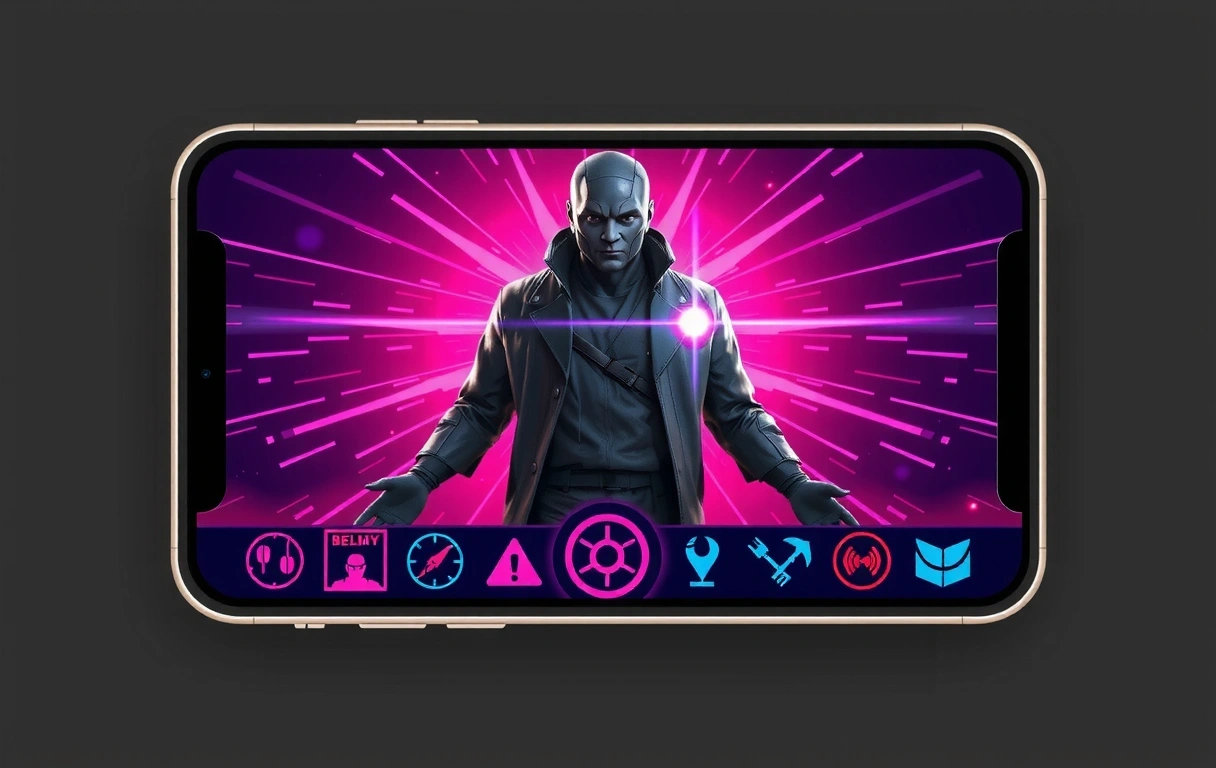
Echoes of Anatolia: The 'Weaving' Mechanic
A rhythm-based layering system that reveals narrative history.
Tap Rhythm Recognition
Engine reads input cadence, not just taps. Recognizes the 1.2s 'weaving' pattern.
Layered Payoff
A perfect sequence triggers a visual/audio stinger AND unlocks a hidden text panel.
Constraint-Driven
Built for single-thumb play. All interactions are within the thumb's comfortable arc.
Originally a bug from inconsistent input timing, reframed as a signature feature.
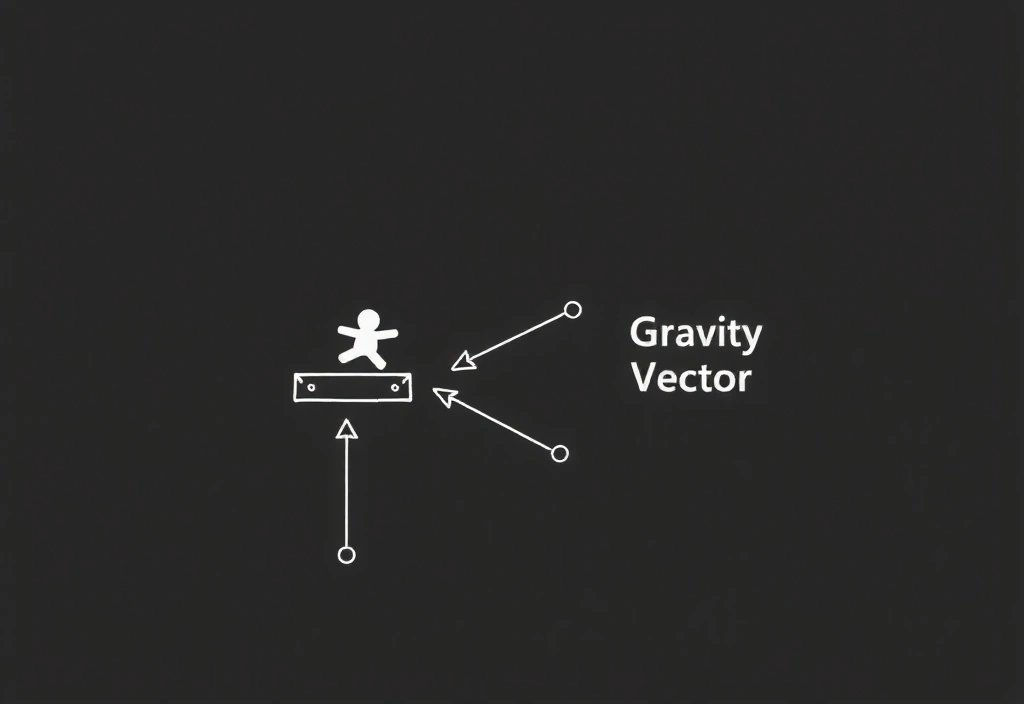
Gravity-Flip Puzzles
Not just rotating the world, but inverting the player's expected 'down'. Paired with a subtle screen shake for disorientation cue.
Platform Iconography
Our platform icons (Steam, Epic, Mobile) are layered for a subtle parallax shift on scroll.

Rhythm-Sync Combat
Attack combos sync to an adaptive audio layer. Missing a beat doesn't break the combo, but changes the instrument stem.

Phased Materialization
Interactive objects exist in multiple states (wireframe, ghost, solid). Player 'focus' resolves an object's state, a mechanic used for both puzzles and narrative branching.
Case Study
Project Dossier: 'Echoes of Anatolia'
Deconstructing a cultural translation challenge in game design.
Core Challenge
Translating Anatolian folk motifs (e.g., kilim patterns, symbolic fauna) into a dynamic, responsive UI system that feels intuitive to a global audience, not like a museum placard.
Technical Constraint
Performance target: 60fps on mid-range Android devices (Snapdragon 720G) with complex particle effects simulating traditional motifs (e.g., 'evil eye' protection auras).
Trade-off Frame

Heatmap: High interaction on the central 'focus' mechanic, low on edge menus.
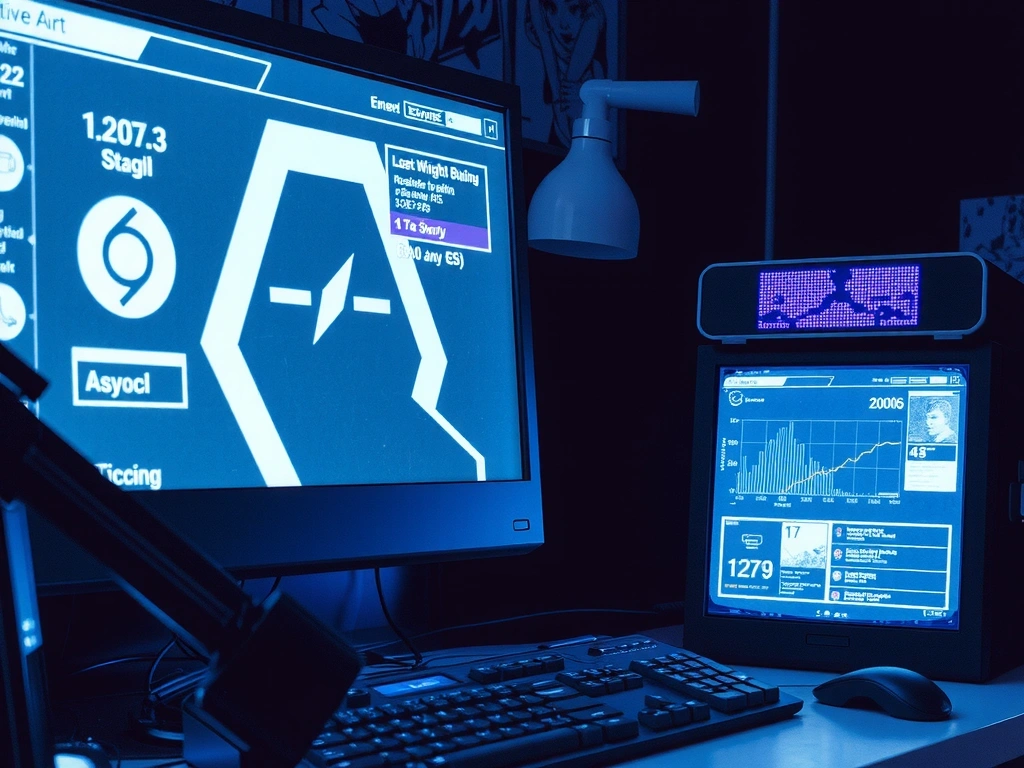
Initial sketch: A 'stitching' motif was iterated out for being too literal.
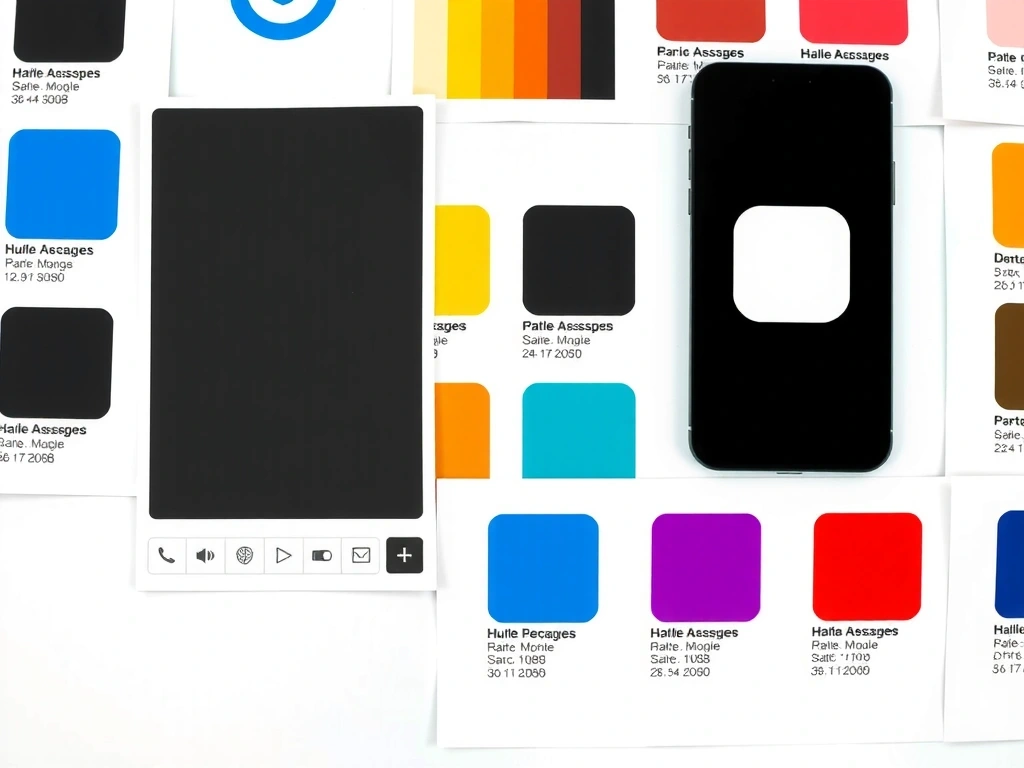
Final asset sheets: Coherent system built from modular geometric primitives.
Developer's Rationale
"We started with a literal 'translation' mindset—mapping symbols to UI states. It felt like a textbook. The breakthrough came when we stopped translating and started interpreting. The 'kilim pattern' became a dynamic background grid that *emerges* when you discover a story piece, rather than being a static motif. That shift from decoration to dynamic feedback changed everything."
— Aysel, Lead Designer
Process Snapshot
Phase 1
Literal Symbol Mapping (Ineffective)
Phase 2
Contextual Drip-Feed (Poor Retention)
Phase 3
Dynamic Emergence (Shipped)
Quality Bar
The Playtesting Matrix
Our internal criteria for shipping. No title moves to certification without a 'High' in Core Loop.
Glossary: 'Juice' (Our Definition)
✓ What it IS:
- • Instant tactile feedback (screen wobble, sound) on critical interactions.
- • A clear visual link between cause and effect (e.g., a tap creates a ripple).
- • A 'reward' rhythm that coincides with player intent, not developer intent.
✗ What it is NOT:
- • Constant animation that obscures information.
- • Arbitrary particle effects that don't tie to game logic.
- • A replacement for clear UI hierarchy.
Micro-Scenario
The Player's First 90 Seconds
A player boots "Echoes of Anatolia" for the first time. No long cutscene. They see a dark, textured screen with a single, glowing point in the center. A subtle pulse guides their thumb.
A single tap. A soft chime. A geometric pattern spreads from the point and freezes into a static symbol—the first piece of a larger puzzle. The game has taught them the core verb without a word of text. In 90 seconds, they've made a meaningful choice and seen a consequence. The loop is set.
We believe the first minute of any game is a contract. This is ours: clarity, respect, and a promise of discovery.
Ready to build your own contract?
We consult on game mechanics and UI/UX for mobile. Let's talk about your project.
Contact MarkVexHeadquarters
Istiklal Caddesi No: 123
Beyoğlu, Istanbul
Get in Touch
Have a specific mechanic challenge? We're listening.