Interactive Systems as
Narrative Engines
We craft tactile, intelligent games from the collision of Anatolian patterns and high-performance code. No empty buzzwords. Just systems that feel alive.
Our Method: Constraint-Driven Innovation
How we evaluate robustness, feature scope, and creative limits.
Methodology: The 'Greybox Stress Test'
Before any art pass, our core mechanic runs in a brutal greybox build. We test on three devices: a 5-year-old tablet, a mid-range phone, and our dev workstation. If the interaction feels satisfying and responsive at 30fps on the oldest device, it passes. This isn't about graphically fidelity; it's about preserving the tactile "click" of a puzzle piece fitting into place. The constraint forces us to design smarter, not louder.
- Frame rate stability on target low-end hardware
- Input lag under 50ms for touch interactions
- Visual clarity in high-stress gameplay moments
"Feature Creep" Scope Blowout
Client requests post-Phase 2 add 100+ hours. Mitigation: We lock the Game Design Document (GDD) after greybox sign-off. New ideas go to a "Next Version" list, evaluated for cost/benefit.
"Intuitive" UI That Isn't
Internal testers understand the control scheme; players don't. Mitigation: Mandatory 30-second interactive tutorial in the first level. Teaches one mechanic at a time, no text dumps.
Performance on Legacy Hardware
A beautiful shader crushes frame rate on older devices. Mitigation: Bake critical lighting, use lightweight post-process stacks, and offer "Performance Mode" in settings with reduced effects.
Cultural Motif Misuse
Using a sacred pattern as a generic puzzle tile feels disrespectful. Mitigation: Consultation with folklorists. Patterns are used as "keys" in the narrative, not as decorative filler.
The Patch Notes Ledger
- [Balance] Reduced 'Pattern Resonance' input window from 120ms to 80ms for snappier feedback.
- [Bug Fix] Fixed memory leak in `VexCore_FMOD_Audio` subsystem that caused crashes after 45 minutes on iOS.
- [Known Issue] On certain Android tablets, particle effects from the 'Harmonic Door' can clip through UI overlays. Hotfix target: v1.2.5.
- [New Feature] Added 'Anatolian Motif Library'—50+ procedural tiles for dynamic level generation.
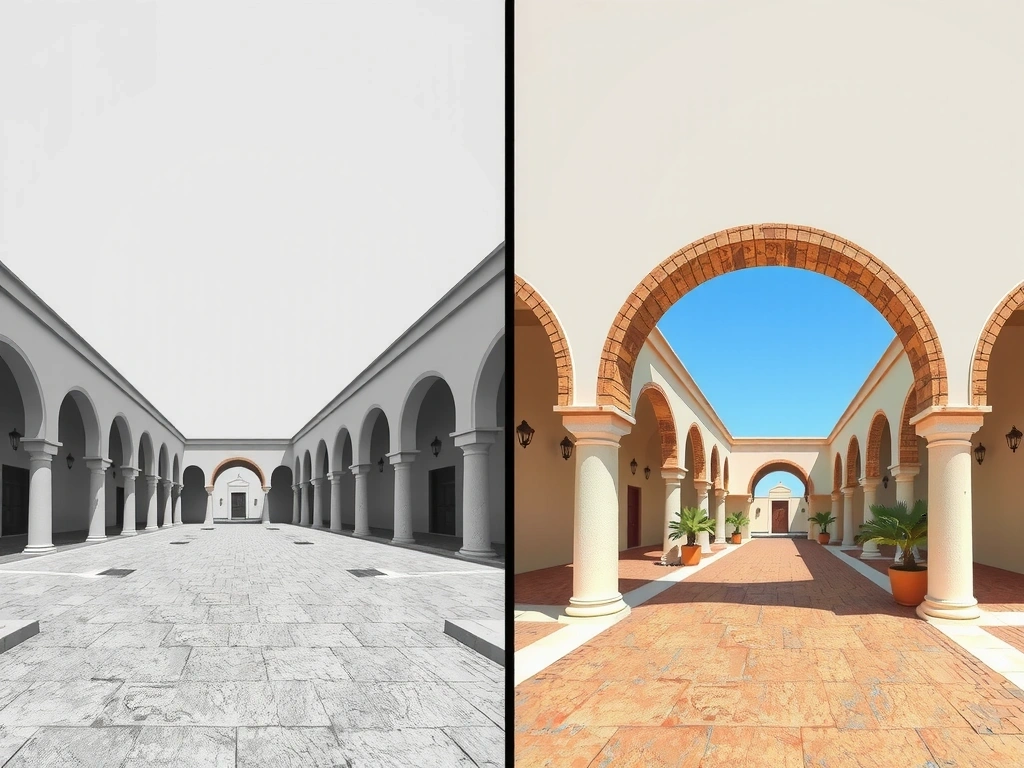
- [Performance] Optimized Unity's occlusion culling for the 'Istanbul Courtyard' level. Frame rate stability up by 22% on low-end devices.
- [Work in Progress] Implementing haptic feedback for 'Tactile Switch' interactions. Testing vibration intensity profiles now.
- [Balance] Overhauled 'Echo Chamber' puzzle logic to prevent soft-locks. Tested on 50+ playtesters.
- [Bug Fix] Resolved input lag issue when switching between touch and controller on hybrid devices.
- [Tech Debt] Deprecated legacy input system. Migrated entirely to the new Input System package.
Echoes of Anatolia
A narrative puzzle-adventure where players don't just move through spaces—they *harmonize* them. Using ancient Anatolian motifs as keys, players manipulate sonic frequencies to reshape environments and uncover forgotten stories.
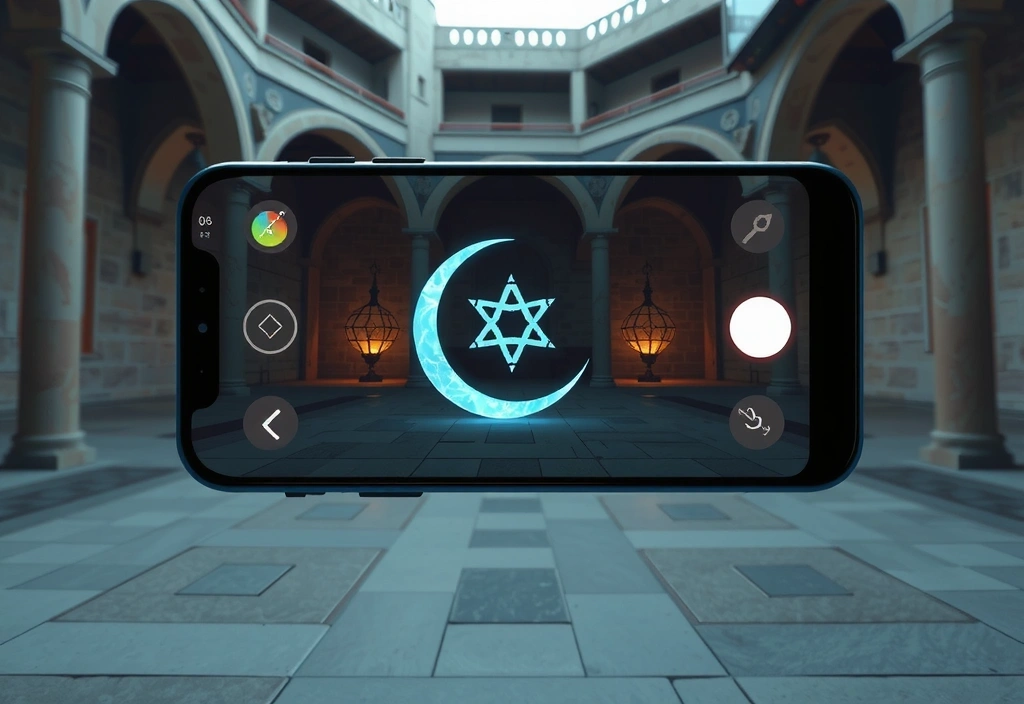
Aligning visual symbols triggers harmonic audio-visual feedback that opens pathways. Each motif is tied to a specific musical scale and environmental change.
Core Loop
Explore a diorama-like courtyard. Find a scattered motif (a star). Drag it into alignment on the environment. A harmonic "chord" plays, causing the stone bridge ahead to rotate into place. Progress is non-linear; players return to old areas with new motifs to reveal secrets.
Cultural Consultation
Worked with Dr. Leyla Arslan (Istanbul University) to ensure motifs (e.g., the 'Evil Eye') are referenced respectfully—recontextualized as narrative tools, not religious icons.
The "Budget" Dilemma
We interpret 'budget' as 'efficient allocation.' Every feature must justify its pixel and its CPU cycle. Here's how we framed the request for 'Echoes' when a client wanted 100 levels.
The Trade-off
"Must Run on a 5-Year-Old Tablet"
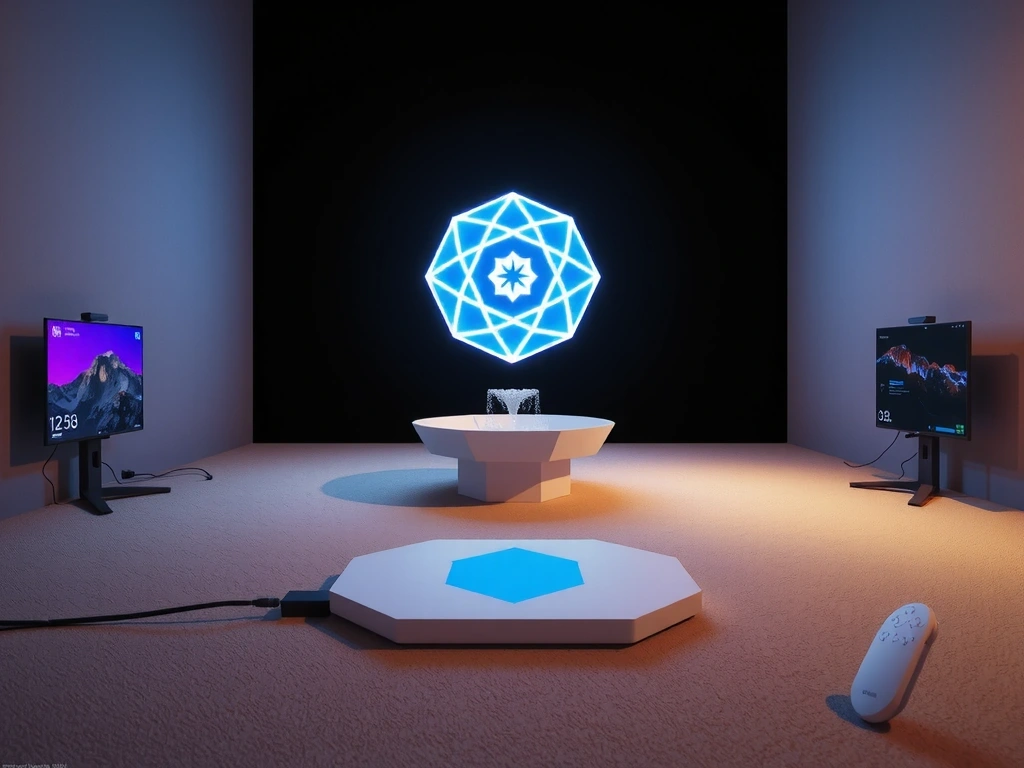
We tested on a Samsung Galaxy Tab A (2019). Initial greybox: 22 FPS.
- Baked all static lighting (no real-time shadows)
- Reduced texture resolution by 60% (used compressed ASTC)
- Replaced post-processing with simple color grading

Decision Matrix: Narrative vs. Mechanics
The MarkVex Stack & Philosophy
Tools for thought, not just execution.
Primary Engine: Unity
Chosen for robust cross-platform builds (iOS, Android, WebGL) and the asset store ecosystem. We maintain a private "VexCore" framework for rapid prototyping.
Visual Asset Pipeline
Hand-painted 3D in Blender & Substance. Aseprite for sprite work. We treat texture resolution as a currency: spend it where the eye looks.
Adaptive Audio
Audio isn't background—it's the mechanic. FMOD stems dynamically shift based on puzzle state and player proximity, creating a reactive soundscape.
Philosophy: The "Anatolian Algorithm"
Start with a hard limit: a specific color palette, a single interaction type, a 20MB download cap. Limits force novel solutions.
Reinterpret cultural patterns (like Anatolian mosaics) as interactive rules. A tile isn't decorative; it's a variable in the game's equation.
Build the ugliest, fastest version of the idea in Unity's "Greybox" mode. If the core loop isn't fun in wireframes, it won't be fun with shaders.

Have a Game Idea? We Provide a Feasibility Assessment.
Share your concept, no matter how rough. We'll evaluate scope, platform fit, and technical trade-offs within 48 hours. No generic sales pitch—just a tactical breakdown.
MarkVex Studio — Istiklal Caddesi No: 123, Beyoğlu, Istanbul
+90 212 555 1234 • info@markvex.space
Mon-Fri: 9:00-18:00 GMT+3